

Commissioning ceremony marks return of Waihī wetland
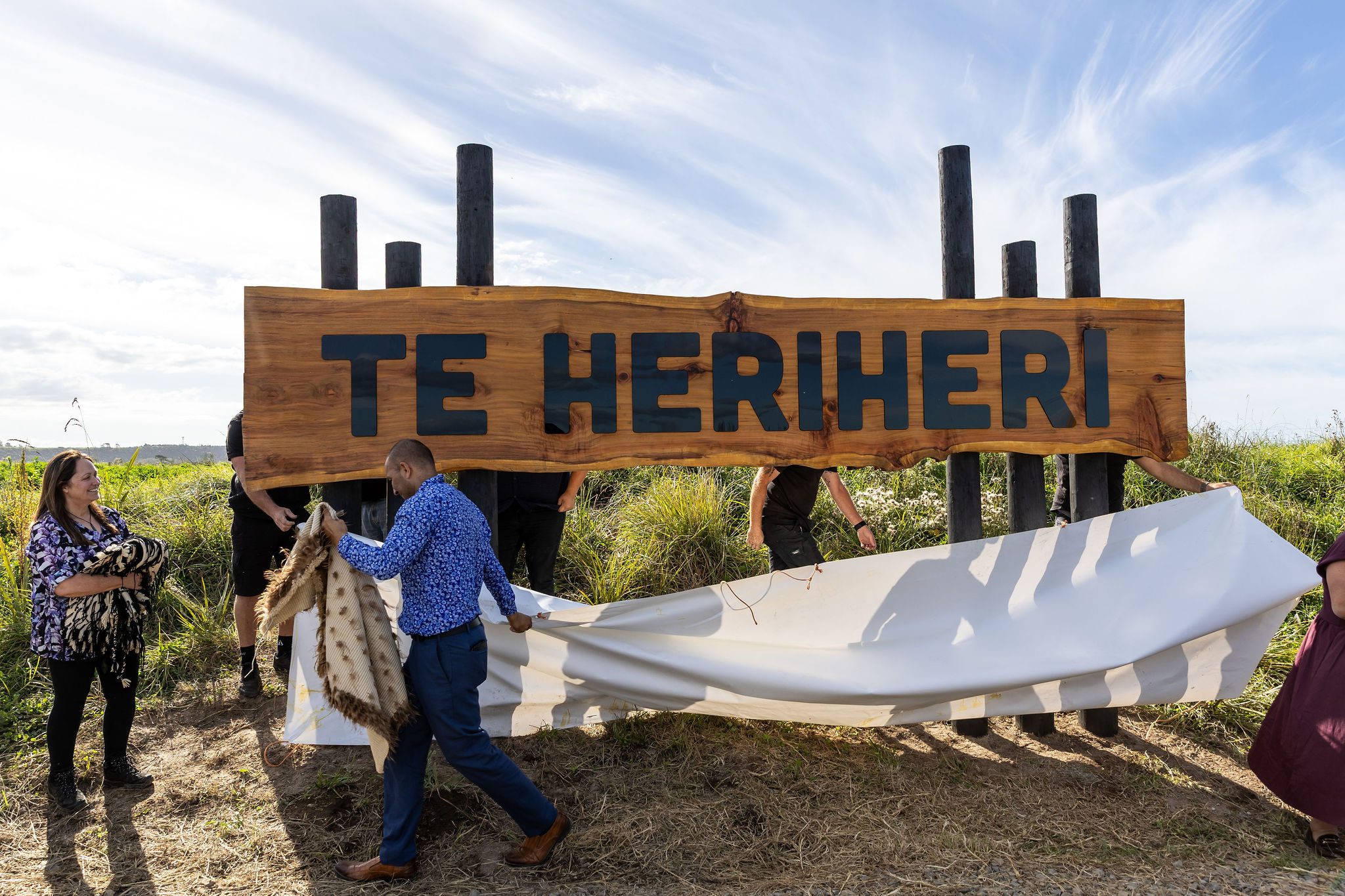
After many decades as a working farm and 18 months of construction, water is once again flowing through Te Heriheri Wetland (formerly known as the Cutwater Road Wetland), signalling the land’s transformation back to its original state.
Te Heriheri, the original and historical name of the wetland, was once a seasonal settlement for Ngāti Whakahemo, bringing people together to gather natural materials and kai from the surrounding environment.
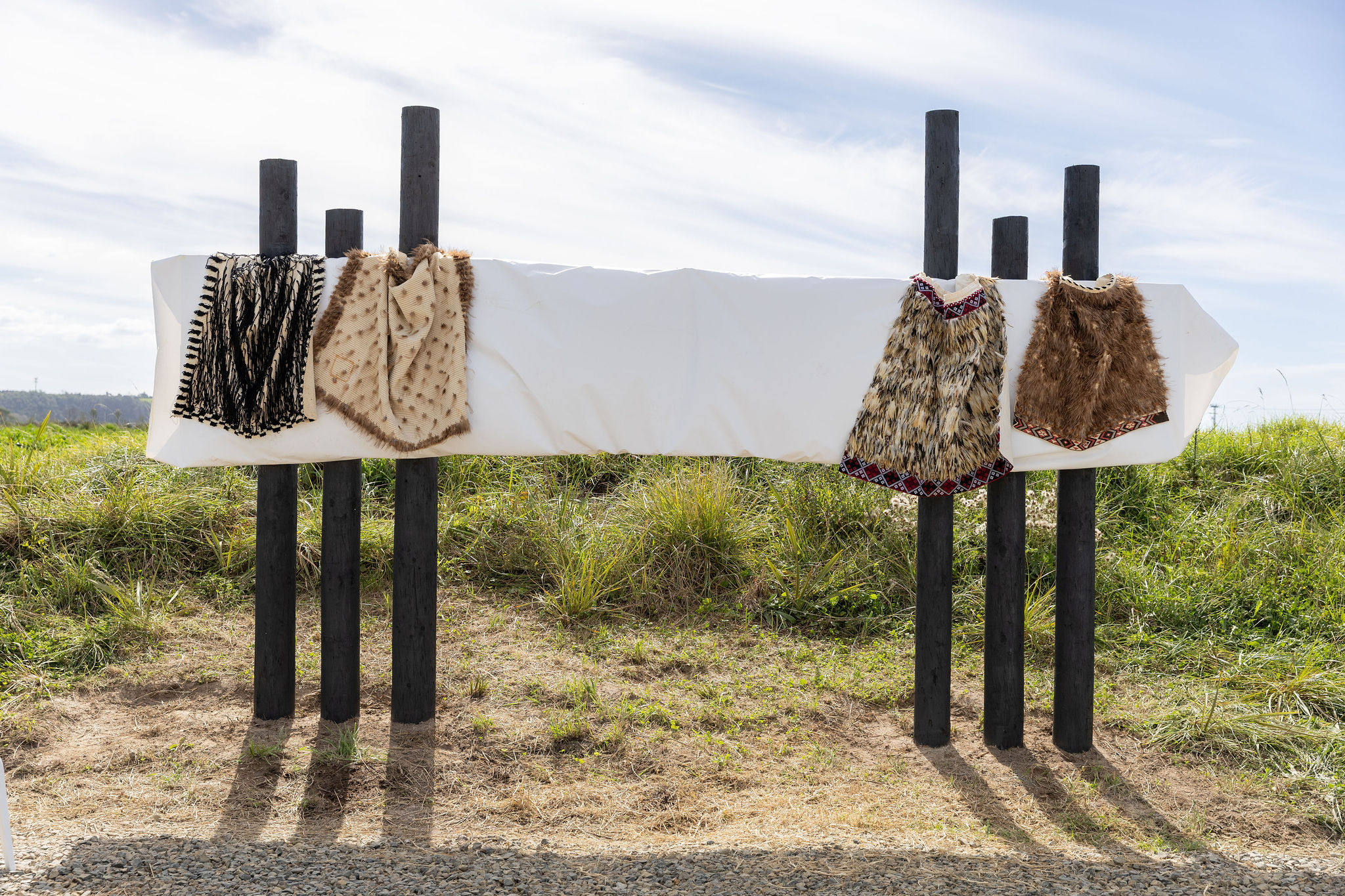
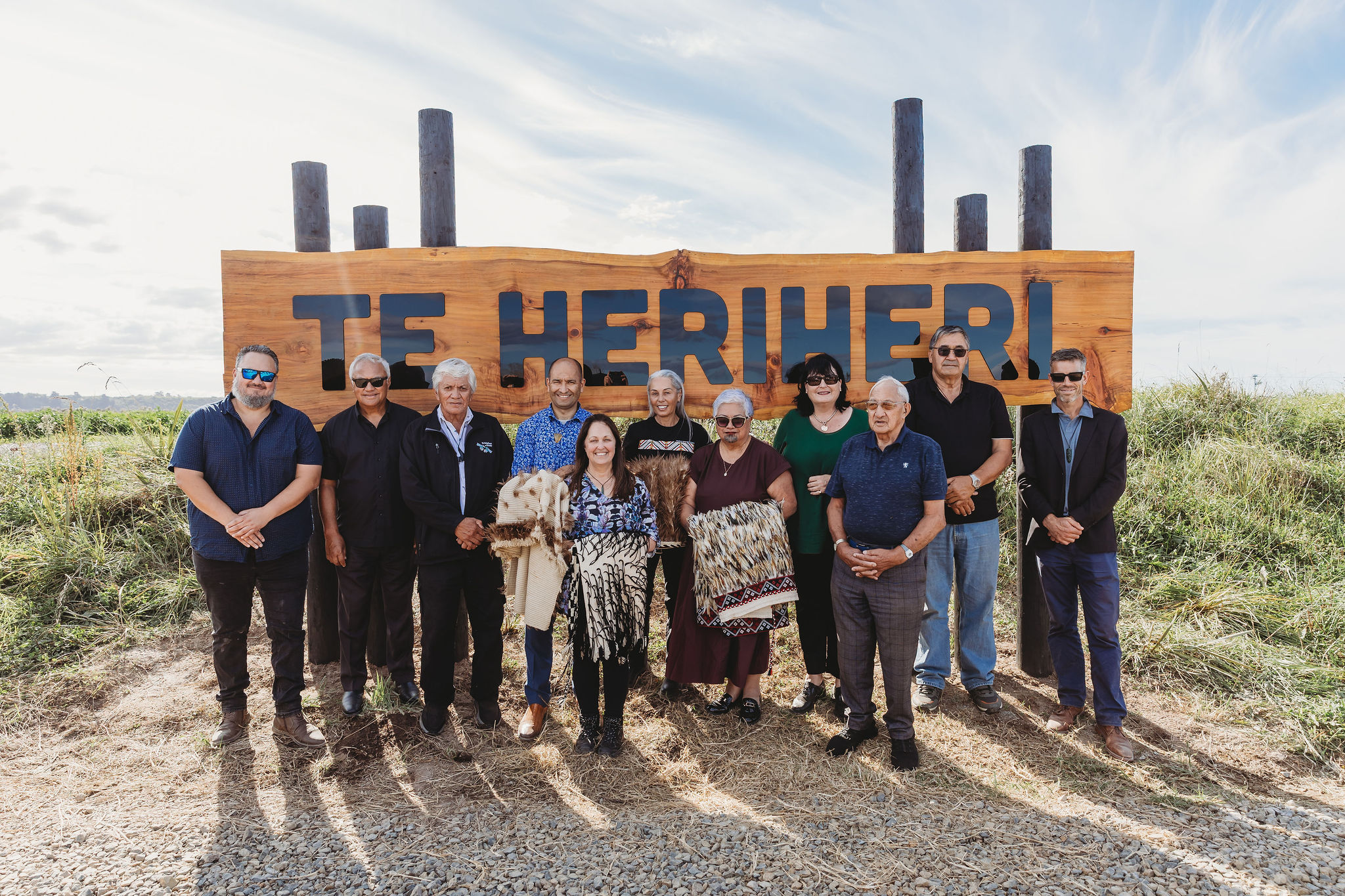
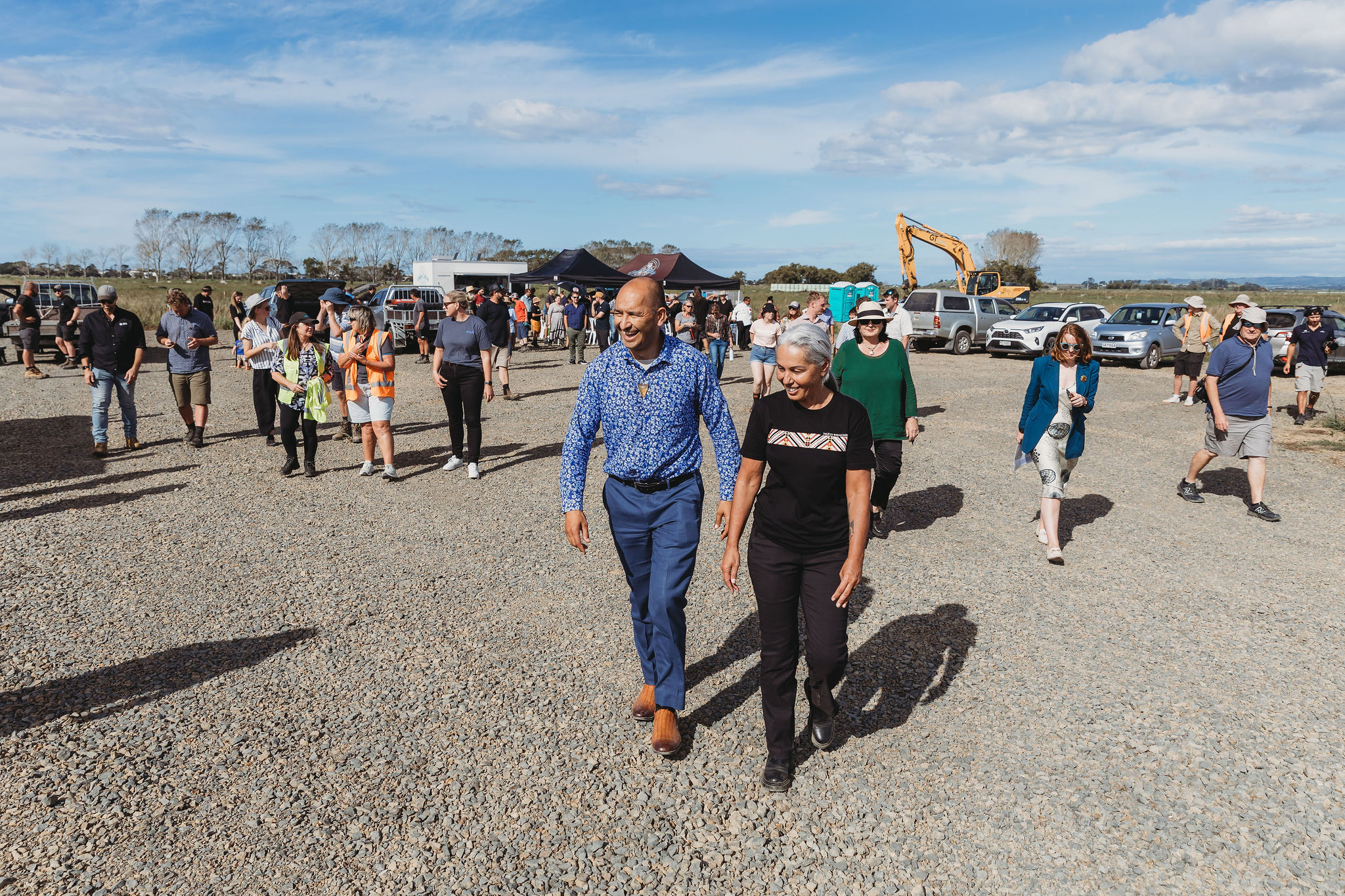
On Friday 20 March, project partners Te Wahapū o Waihī - the collective of Ngāti Whakahemo, Ngāti Whakaue, Ngāti Mākino, Ngāti Pikiao and Tapuika - and Toi Moana Bay of Plenty Regional stood alongside staff, iwi and hapū leaders, local and central government officials, and members of the community to commission Te Heriheri Wetland.
As attendees looked out towards the wetland, Te Taru White, Independent Chair of Te Wahapū o Waihī, explained how the commissioning of Te Herheri was a powerful example of what can be achieved when iwi, community and council come together with a shared purpose.
“All of us standing here together, highlights what you can achieve through collective action.”
“It’s never easy to unite different groups, but when we all hold the same values of cleaning up the environment, kaitaikitanga, manaakitanga, protecting what matters – that’s when the magic happens.”
Te Wahapū o Waihī Project Lead Professor Kura Paul-Burke shared a similar sentiment.
“Every plant, every kōrero, every plan and every hectare restored is another stitch in this protective cloak – grounded in tikanga, designed for resilience, and made to last.”
Toi Moana Bay of Plenty Regional Chair Matemoana McDonald also expressed her pride in the project’s completion.
“The commissioning of Te Heriheri marks an important milestone for our entire community. This restoration is so much more than an environmental project – it reflects what we can achieve when we work in genuine partnership with iwi, hapū and local communities.
“As a regional council, we’re committed to empowering communities to drive the changes that matter to them – solutions created for the people, by the people. The celebration was a powerful example of that in action, showing how collaboration, shared values, and local leadership can deliver benefits that will endure for generations.”
The restored wetland sits on the margins of the Waihī Estuary, between the Pongakawa River and Pukehina Canal. Now complete, it will play a critical role in helping treat agricultural drainage water from the adjacent dairy farms, ultimately improving the estuary’s water quality, indigenous wetland habitat and biodiversity.
Te Heriheri Wetland is part of a long-term commitment by the Regional Council and Te Wahapū o Waihī to restore the health and mauri of the Waihī Estuary.
About the project
The Waihī Estuary has been identified as one of the most degraded wetlands in the country, due to decades of wetland drainage, river channelisation, land use change and contaminated runoff throughout the 35,000ha catchment. Significant change is needed to return the estuary to a moderate state of ecological health.
In 2023, 109ha of land was initially purchased on Cutwater Road, Pukehina, with 79ha on sold to a neighbouring farm.
The remaining 30ha has been transformed into a 27ha coastal treatment wetland and a 3ha tidal coastal wetland.
This project has been funded 50% by Regional Council and 50% from Te Wahapū o Waihī through the Ministry for the Environment’s Freshwater Improvement Fund. It is one of several ambitious projects that Regional Council and Te Wahapū o Waihī have partnered on in the Waihī Estuary catchment.
For more information about wetland project, visit www.boprc.govt.nz/te-heriheri-wetland/
More information on Te Wahapū o Waihī, visit: www.waihi-estuary.iwi.nz/
ENDS