Lantana
Common name: Lantana
Scientific name: Lantana camara
Management category: Eradication, Progressive containment, Sustained control Rule 5
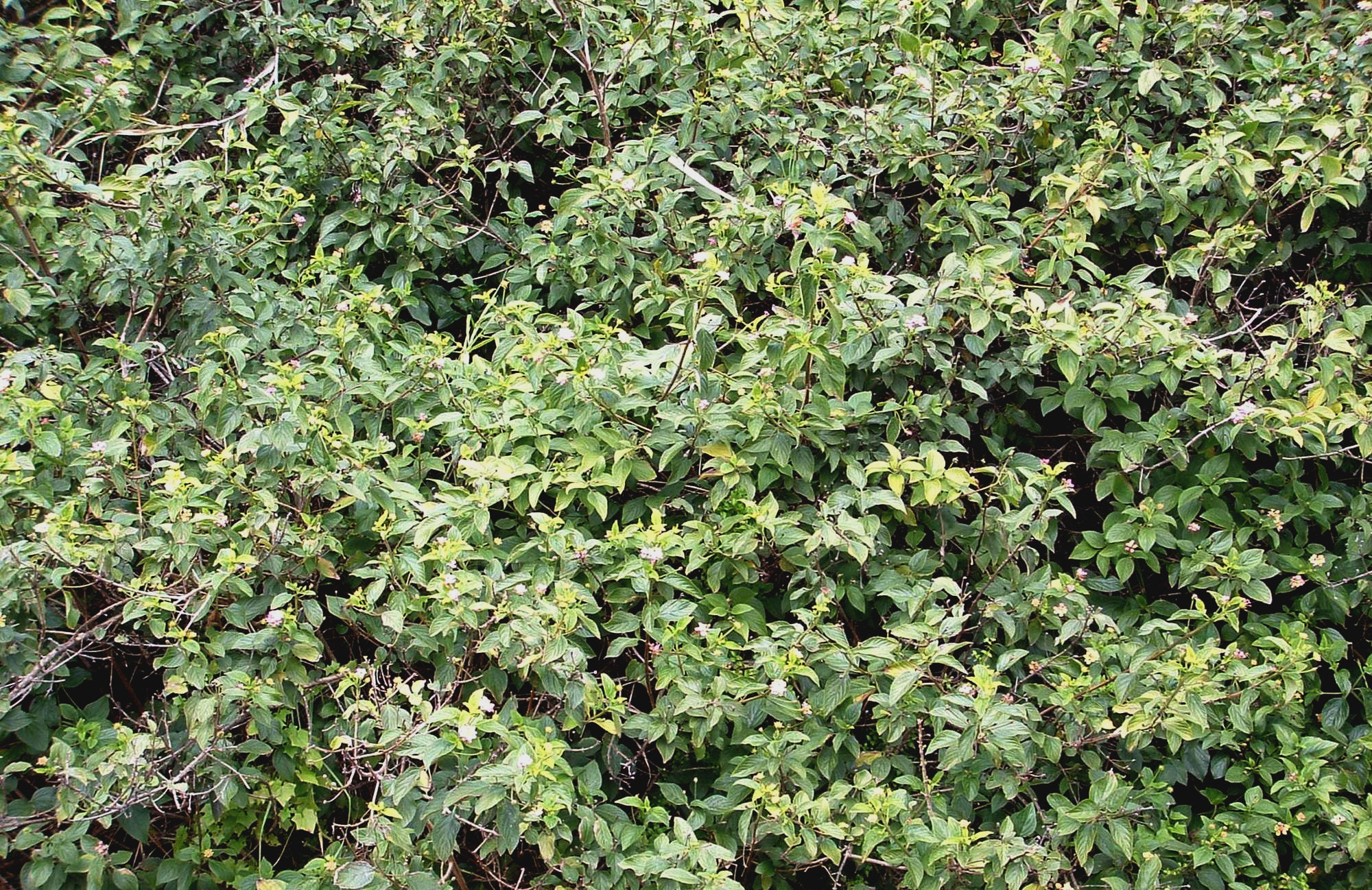
Lantana is both toxic and considered one of the world’s worst invasive weeds. It was originally brought to New Zealand from Central America as a garden plant but quickly became ‘weedy’ with its ability to spread rapidly and form dense thickets.
Why is it a pest?
- Lantana is a toxic plant that crowds out native vegetation.
- It can invade agricultural areas, taking over pasture.
- Berries are fatally toxic to both stock and children.
- Small spikes in the berries can cause damage to the digestive system if eaten.
- Lantana seed is easily spread by birds and established plants send up suckers to form thickets.
Where is it found?
Lantana is present throughout the region. Tauranga and eastern Bay of Plenty have the largest number of sites, while Rotorua has just one active site.
It is generally found in coastal areas but will grow almost anywhere including disturbed forest, open areas, forest margins, geothermal areas, pasture, and exotic forests.
What does it look like?
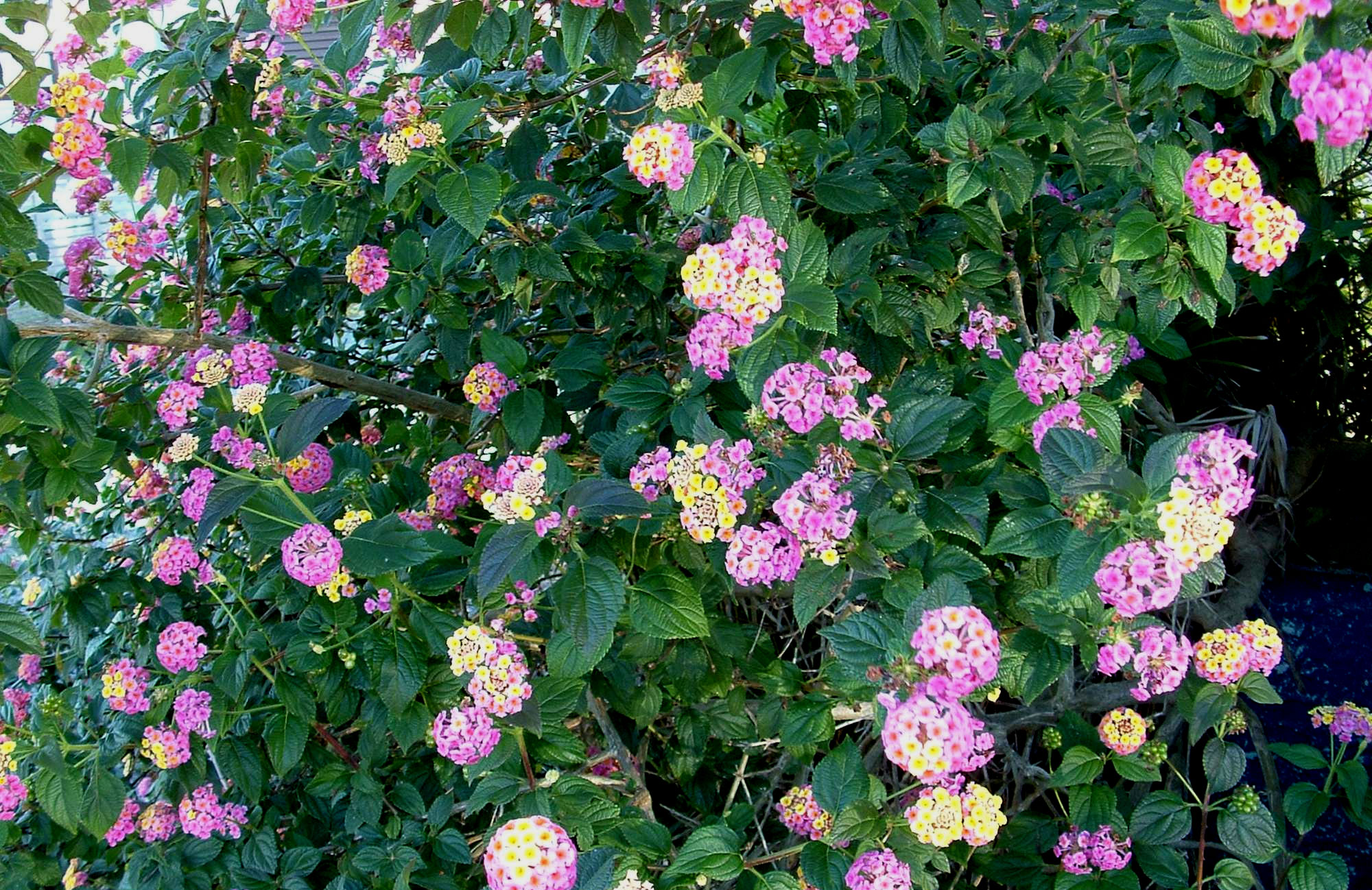
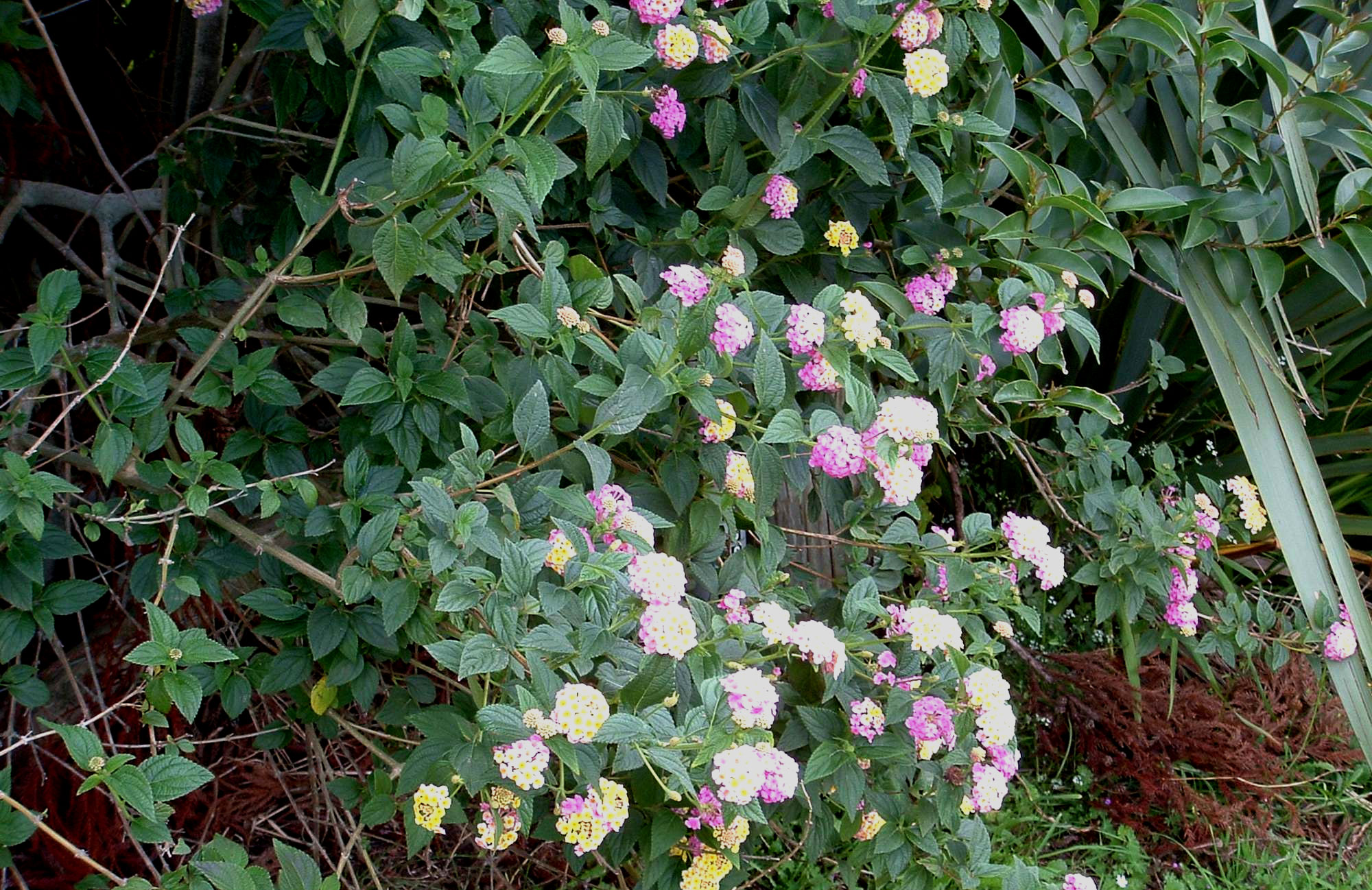
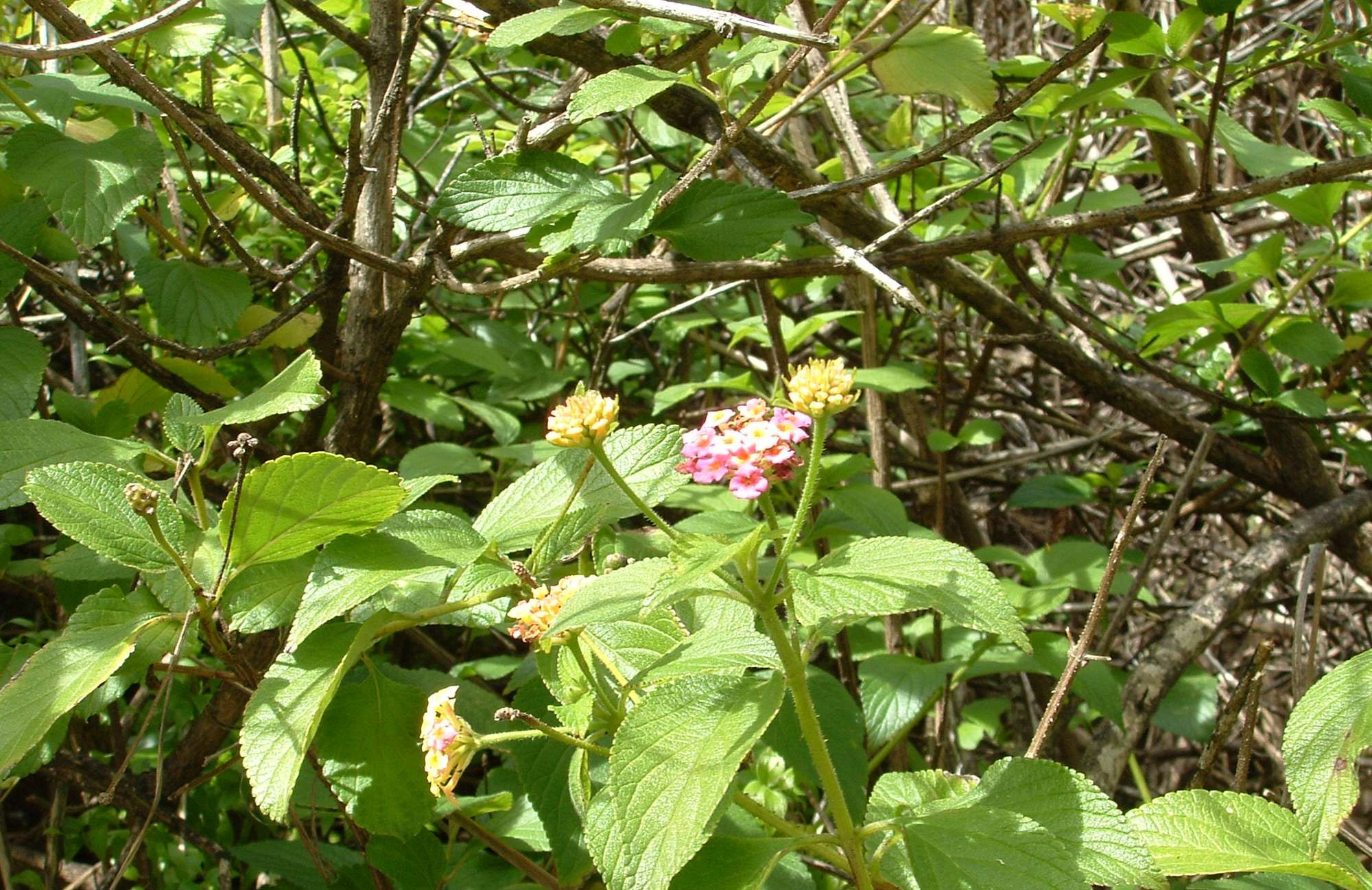
- Fast growing, many branched shrub 3–4m high.
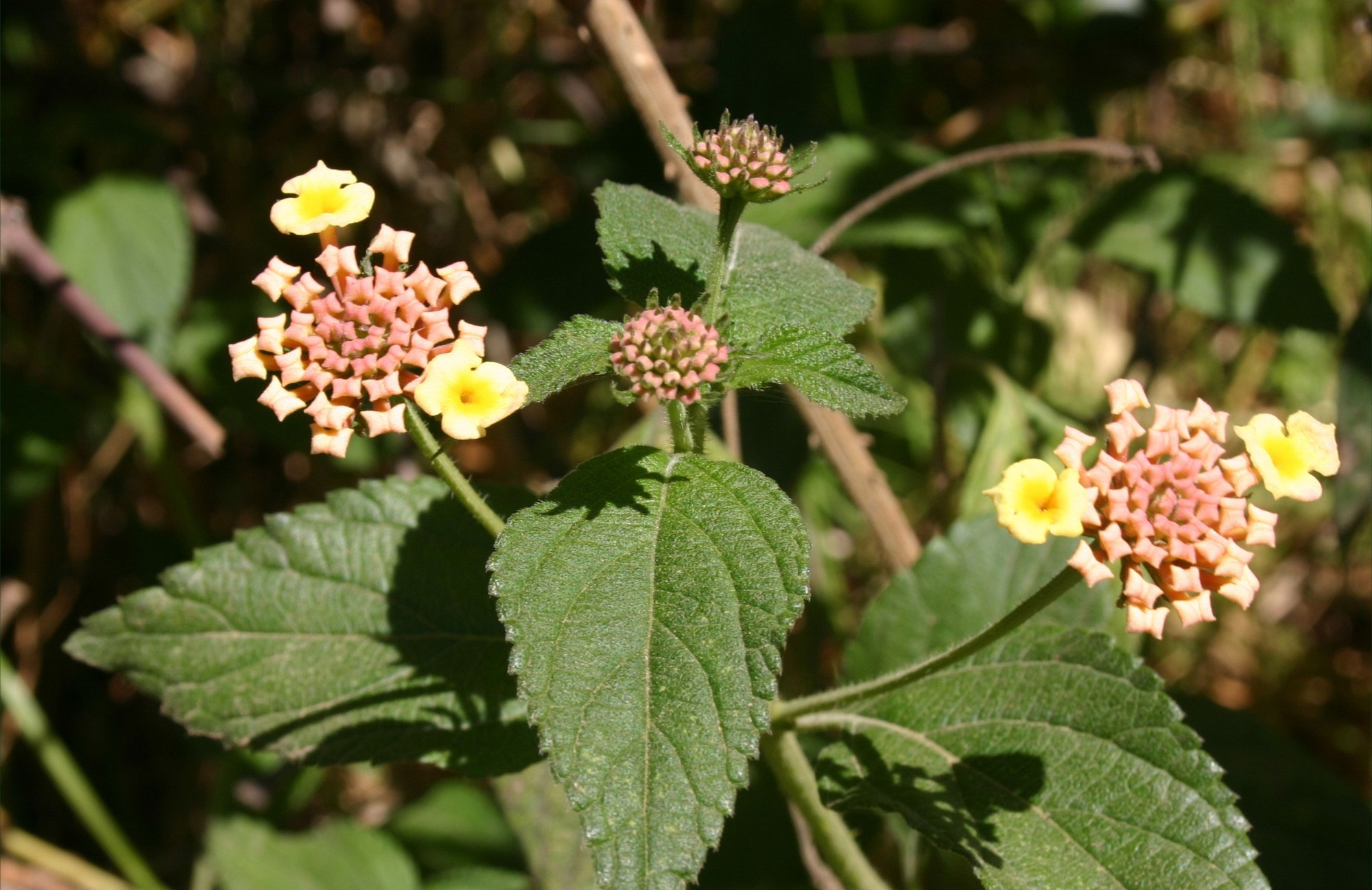
- Stems have scattered curved prickles.
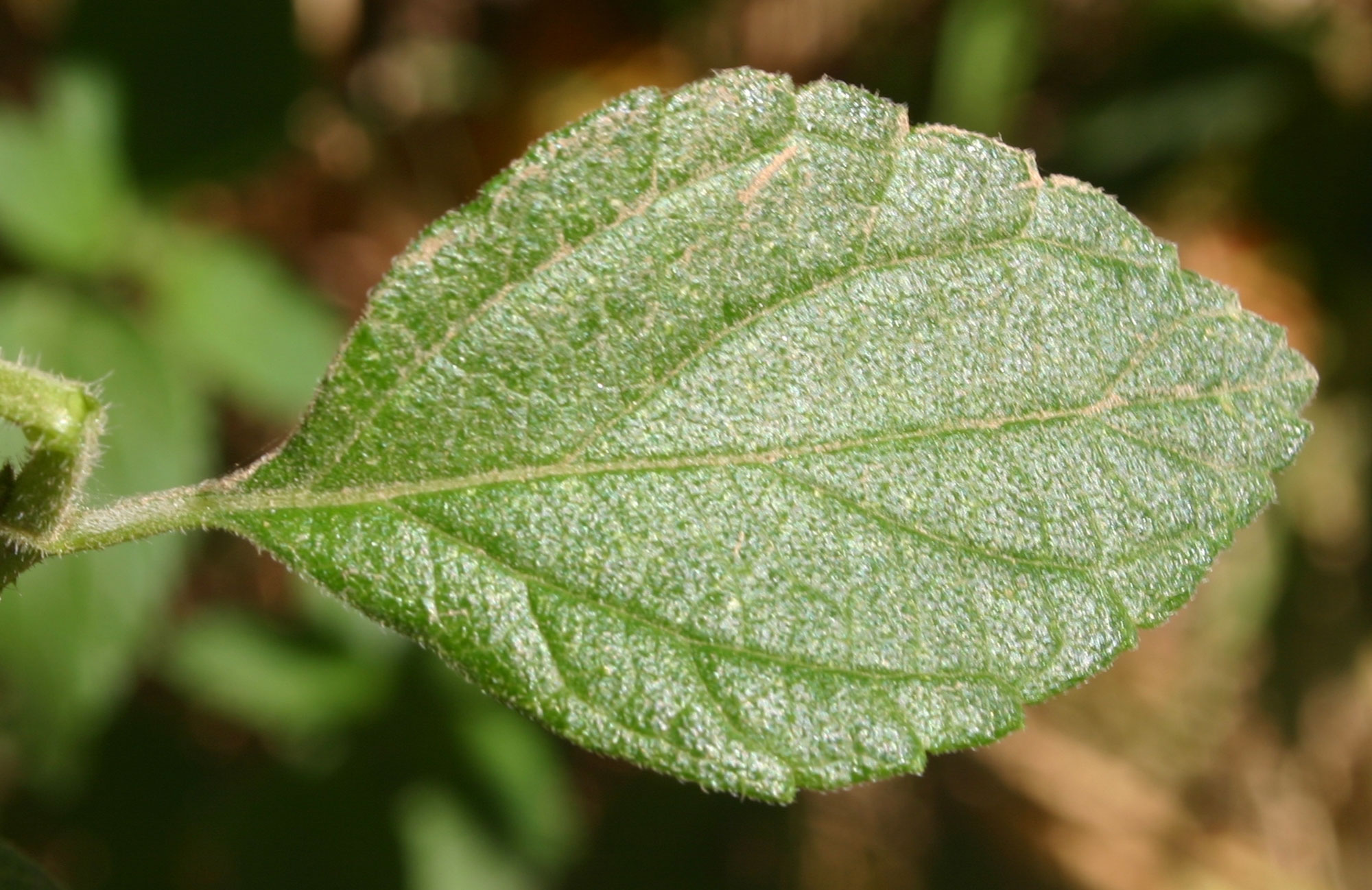
- Serrated oval leaves 5-8 cm long, usually covered in rough hairs and a strong odour when crushed.
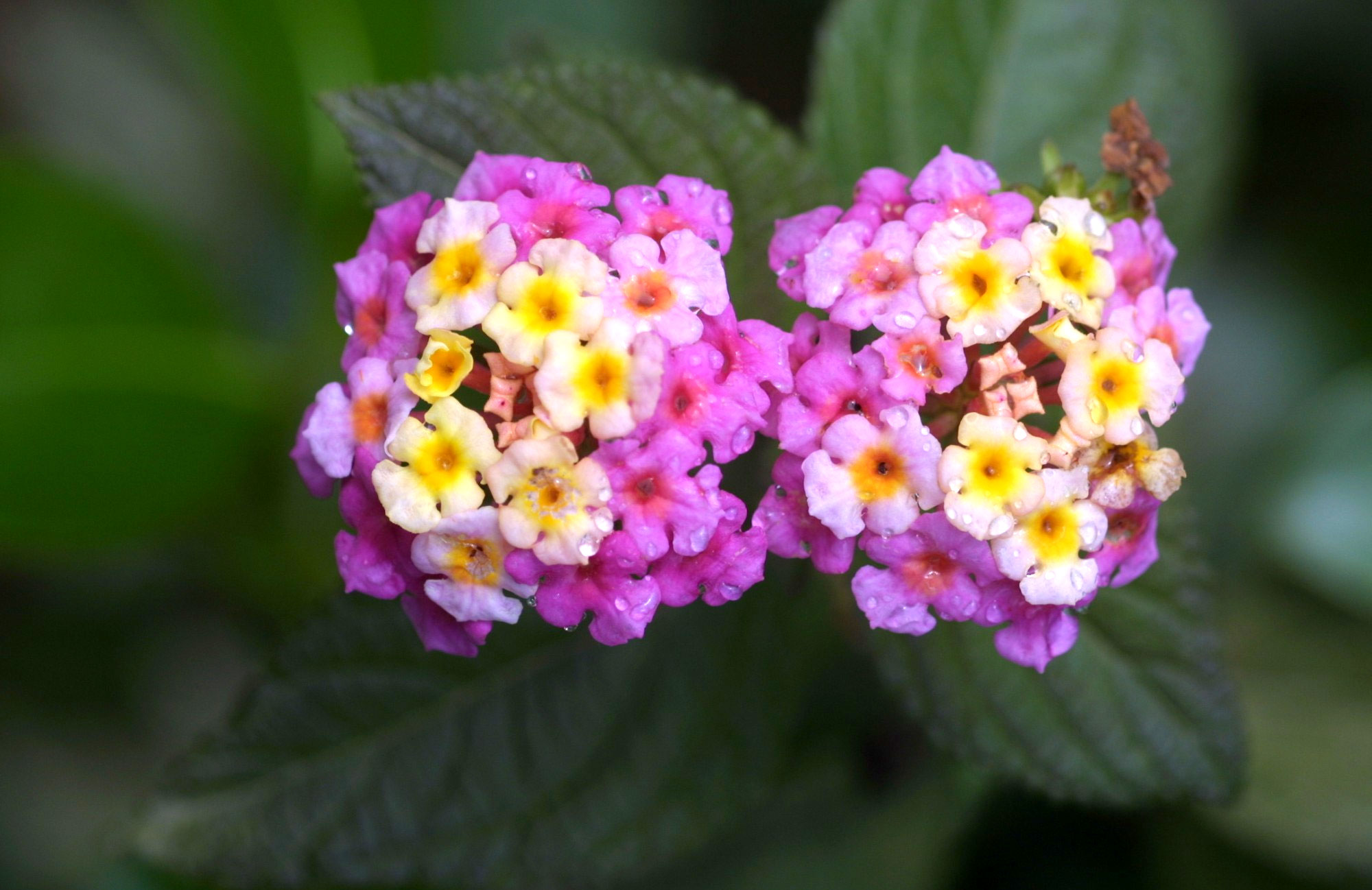
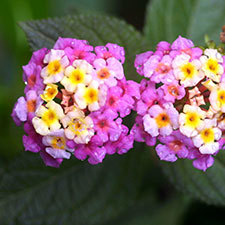
- Flower colours range from white, cream, pink, purple, yellow, orange, red or a mix of all.
- Flowerheads consist of a cluster of tiny tubular flowers, all year round.
- Fruit occurs in clusters of green berries, turning blue black when ripe. Up to 12,000 fruits can be produced by just one plant, each season.
What are the rules?
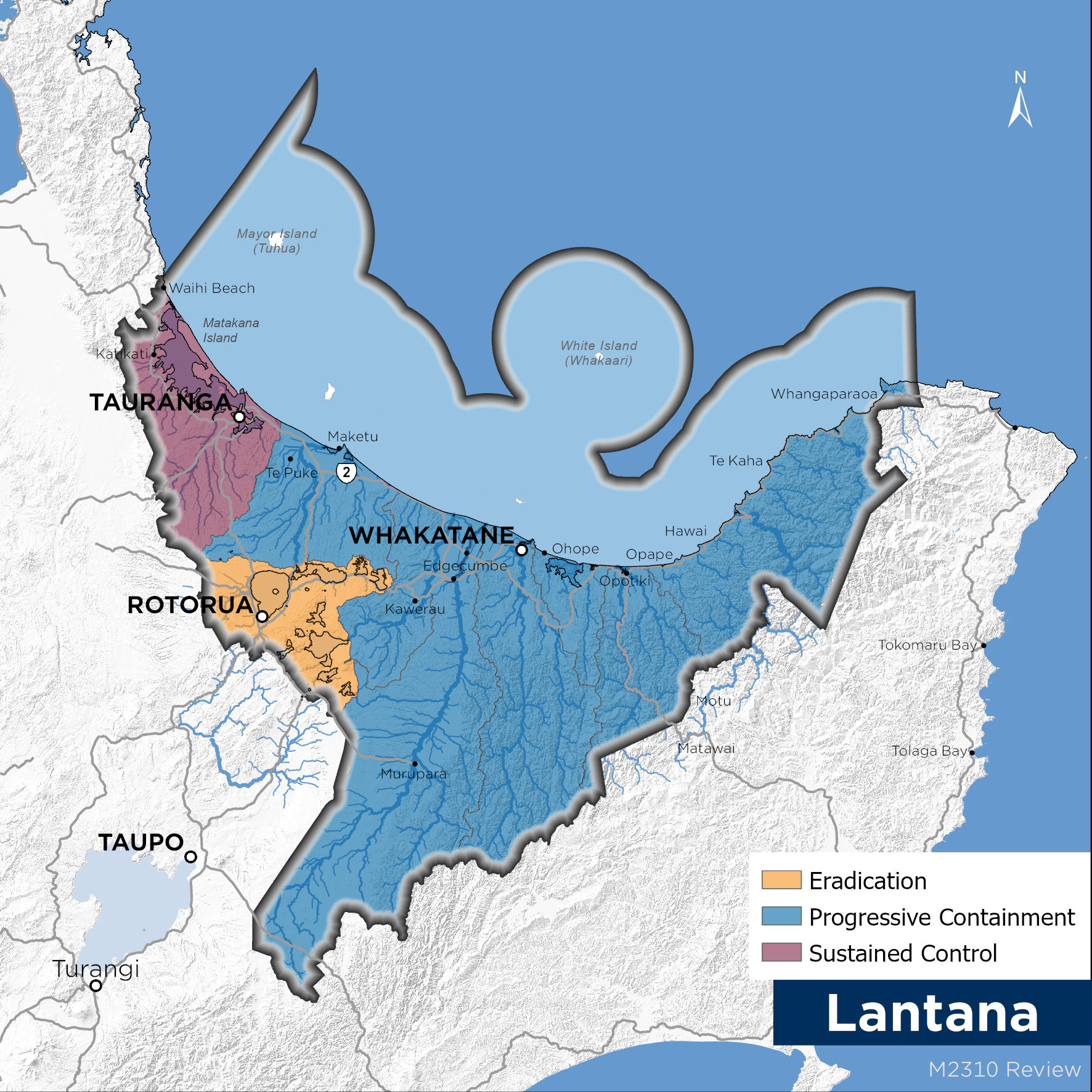
Lantana is listed as Eradication, Progressive Containment and Sustained Control in different parts of the region. Please see the map below to identify which rules apply to your area.
Eradication
The Eradication programme covers pests that are present in the region but are limited in distribution or extent of infestation and therefore eradication is a feasible and cost-effective solution.
Council will take responsibility for control and management.
Progressive containment
The Progressive Containment programme covers pests that are established enough that eradication is not feasible, but it is possible to prevent it from spreading to other parts of the region, to reduce the distribution within the region, or to eradicate the pest from parts of the region.
Under Rule 3 of the RPMP, landowners are required to destroy this pest.
Sustained control - Rule 5
A Sustained Control programme is implemented where a pest is well established and preventing its spread is no longer a realistic objective.
Management of the pest focuses on reducing its impact and its stopping spread to other properties.
For Lantana occupiers must destroy it:
- Within 200m of any property where the adjoining occupier is also destroying it within 200m of the property boundary,
- If required by a written direction from an authorised person. See Appendix 1 for details.
How do you get rid of it?
If the lantana is found in a progressive containment or sustained control area please follow the control measures advised below.
- Small plants can be dug out ensuring all roots are removed and disposed of safely. Always check the area where you have removed plants for new growth. Any missed roots will re-sprout to form a new plant if left.
- Spraying is best done November to March. Spray with metsulfuron (5g per 10L water) and penetrant.
- Stump treatment can be conducted at any time of year and is best for single, larger plants. Stump treat with glyphosate 1 part/4 parts water.
- Always follow up with control until the seed bank has been exhausted.
CAUTION: When using any herbicide or pesticide, PLEASE READ THE LABEL THOROUGHLY to ensure that all instructions and directions for the purchase, use and storage of the product, are followed and adhered to.
Read more on pest control advice, information and regulations.
Management category map
Images