 White edged nightshade
Common name: White edged nightshade
Scientific name: Solanum marginatum
Management programme: Eradication
A member of the nightshade family, White edged nightshade is native to North-eastern Africa. It is thought to have been brought to New Zealand as an ornamental plant in the 1880’s and was noted to be naturalised by 1883.
Why is it a pest?
- Seeds are long-living in the soil.
- It forms thick stands which displace native species and create large ungrazable areas in farmland.
- Blocks access for animals and humans and may harbour pests such as rabbits and possums.
- The fruit is poisonous and dust from plants can cause respiratory irritation.
Where is it found?
Previously found only in two locations in the Bay of Plenty region. It likes scrub, poor pasture, wasteland, forest margins, sand dunes and coastal areas.
This plant prefers warm sunny situations in higher rainfall areas, favouring maritime habitats and is more likely to be found in shaded areas but will grow on any soil type.
Most spread occurs through movement of the fruit in water or when soil containing the seeds is moved or worked over.
What does it look like?
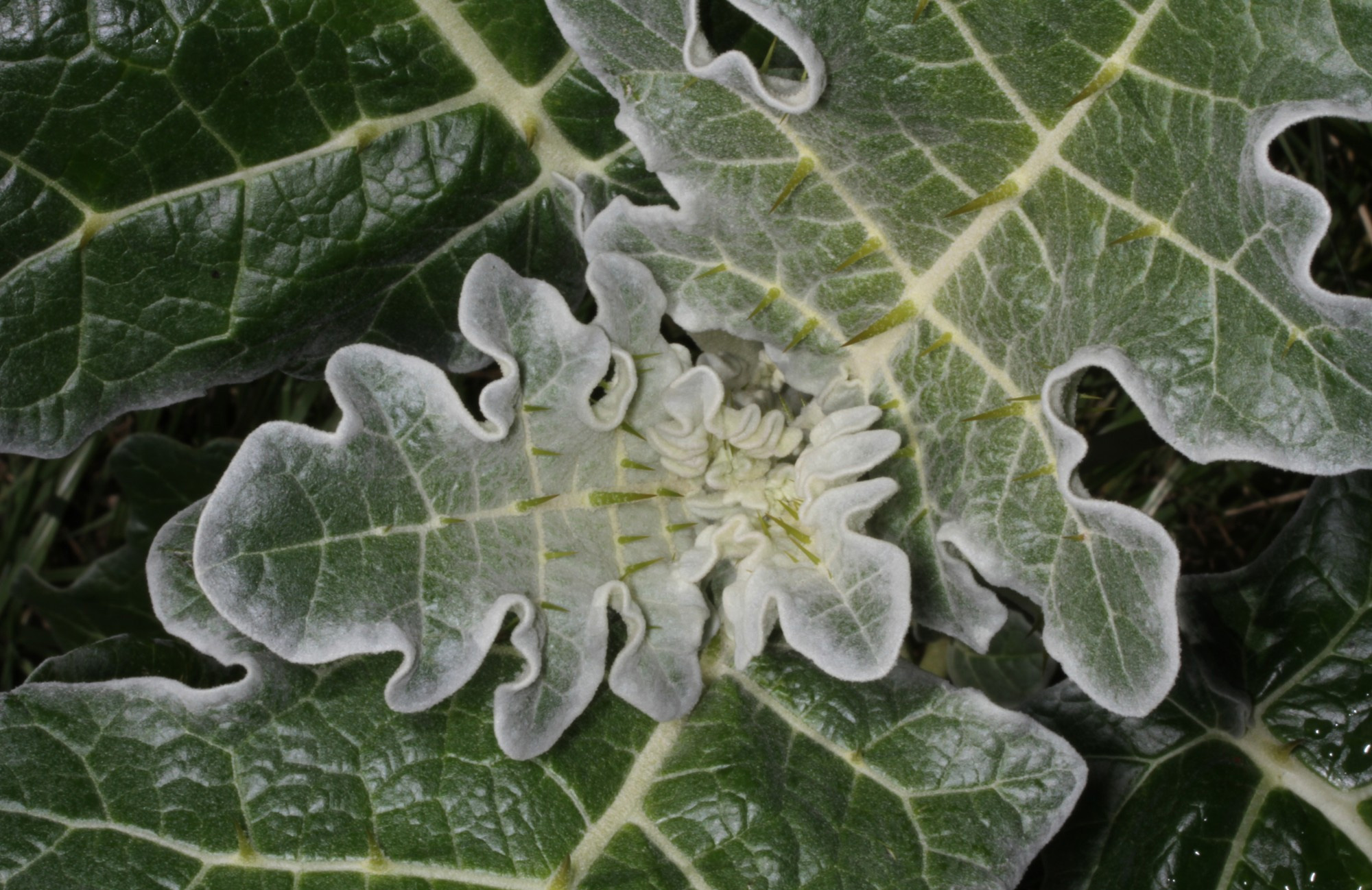
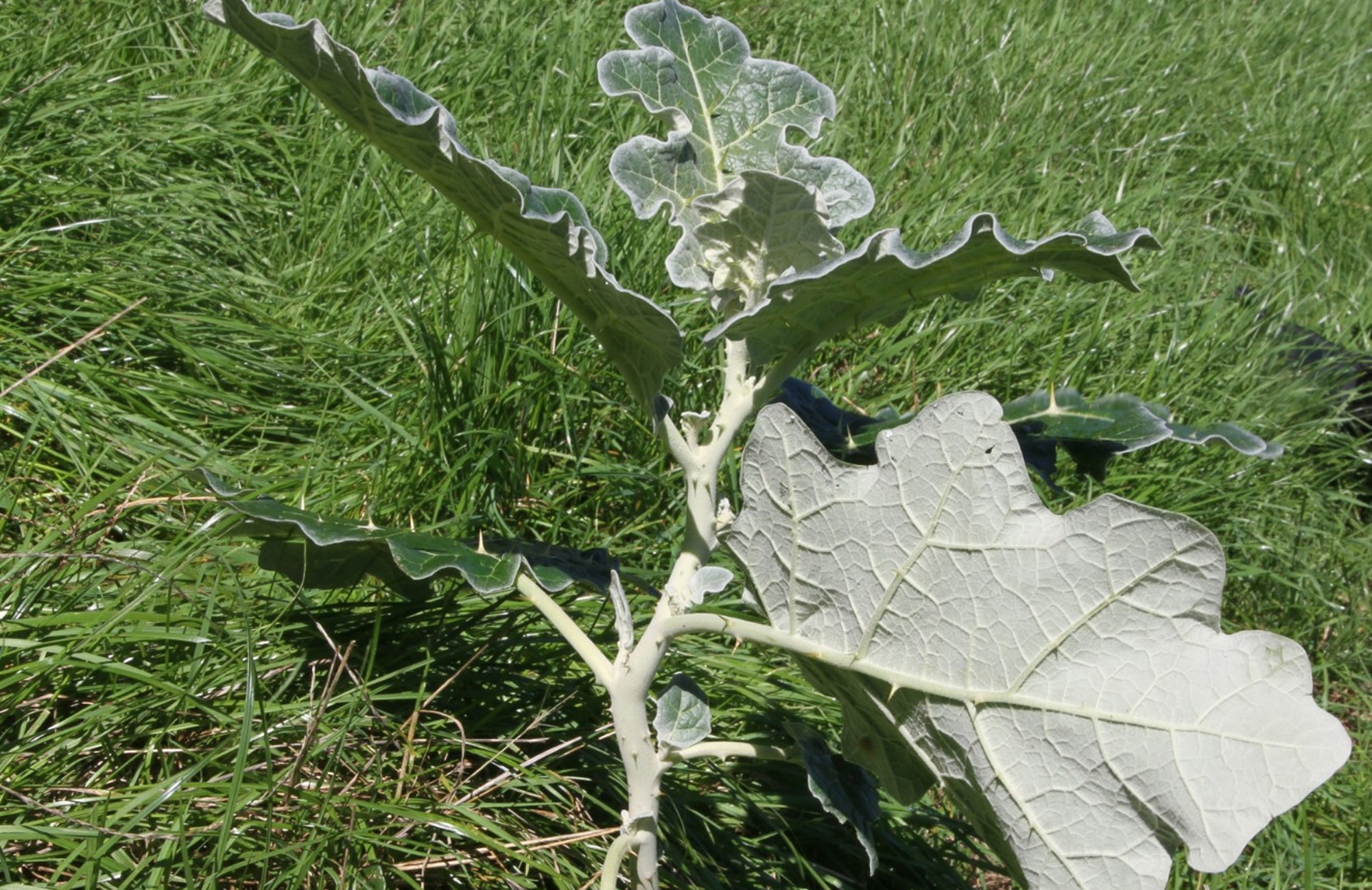
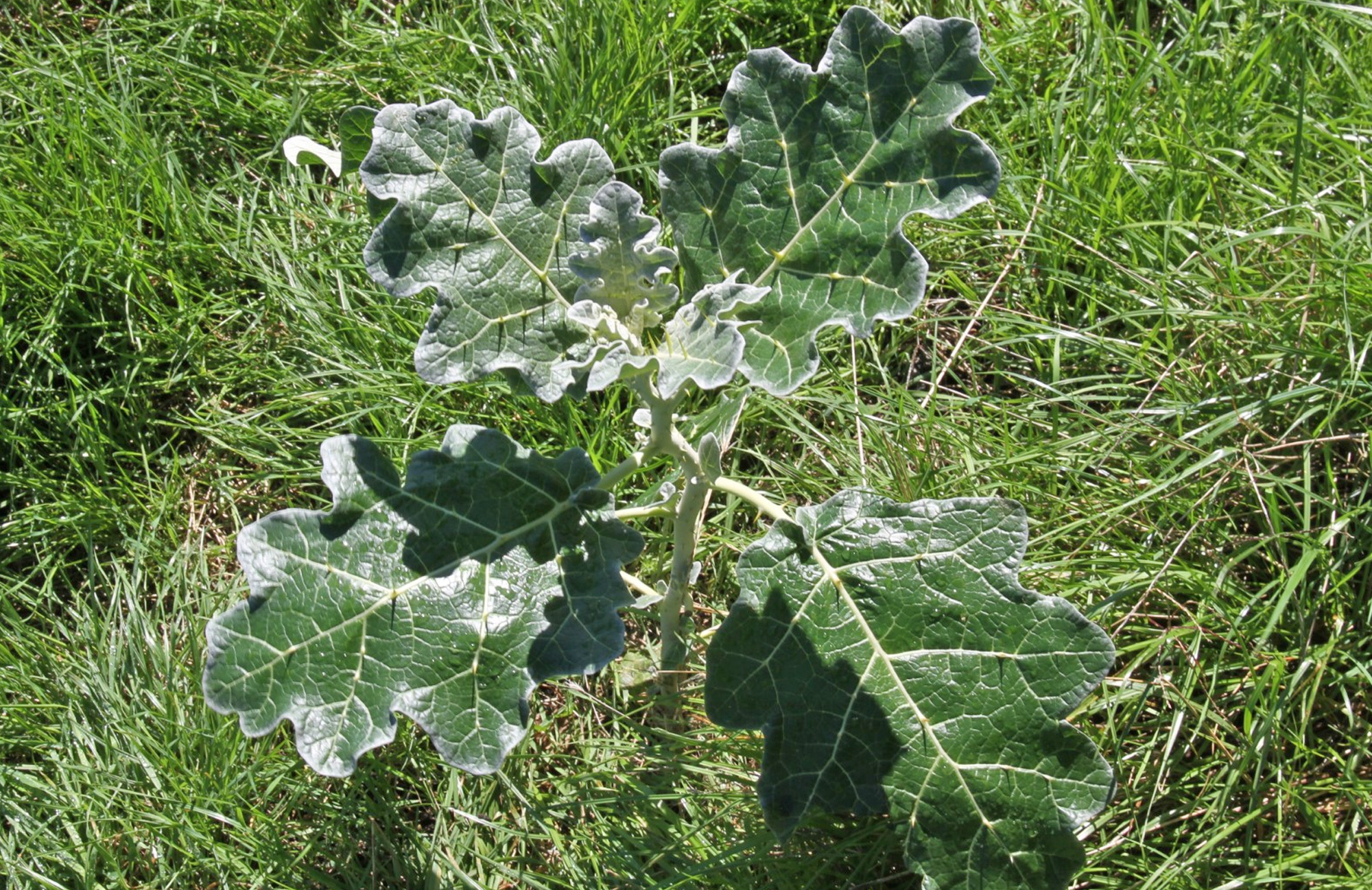
- A perennial shrub or small tree, to 5m tall.
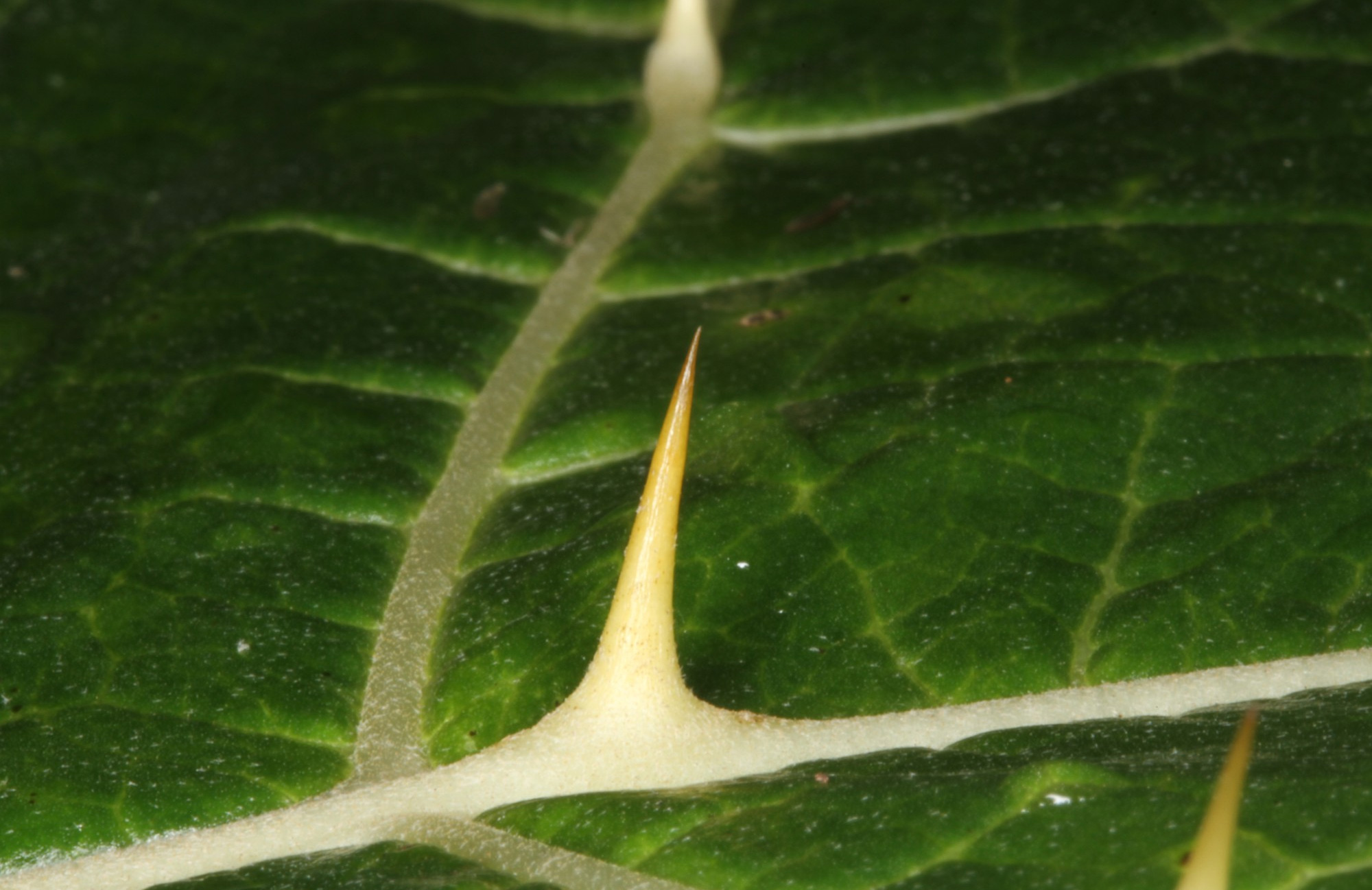
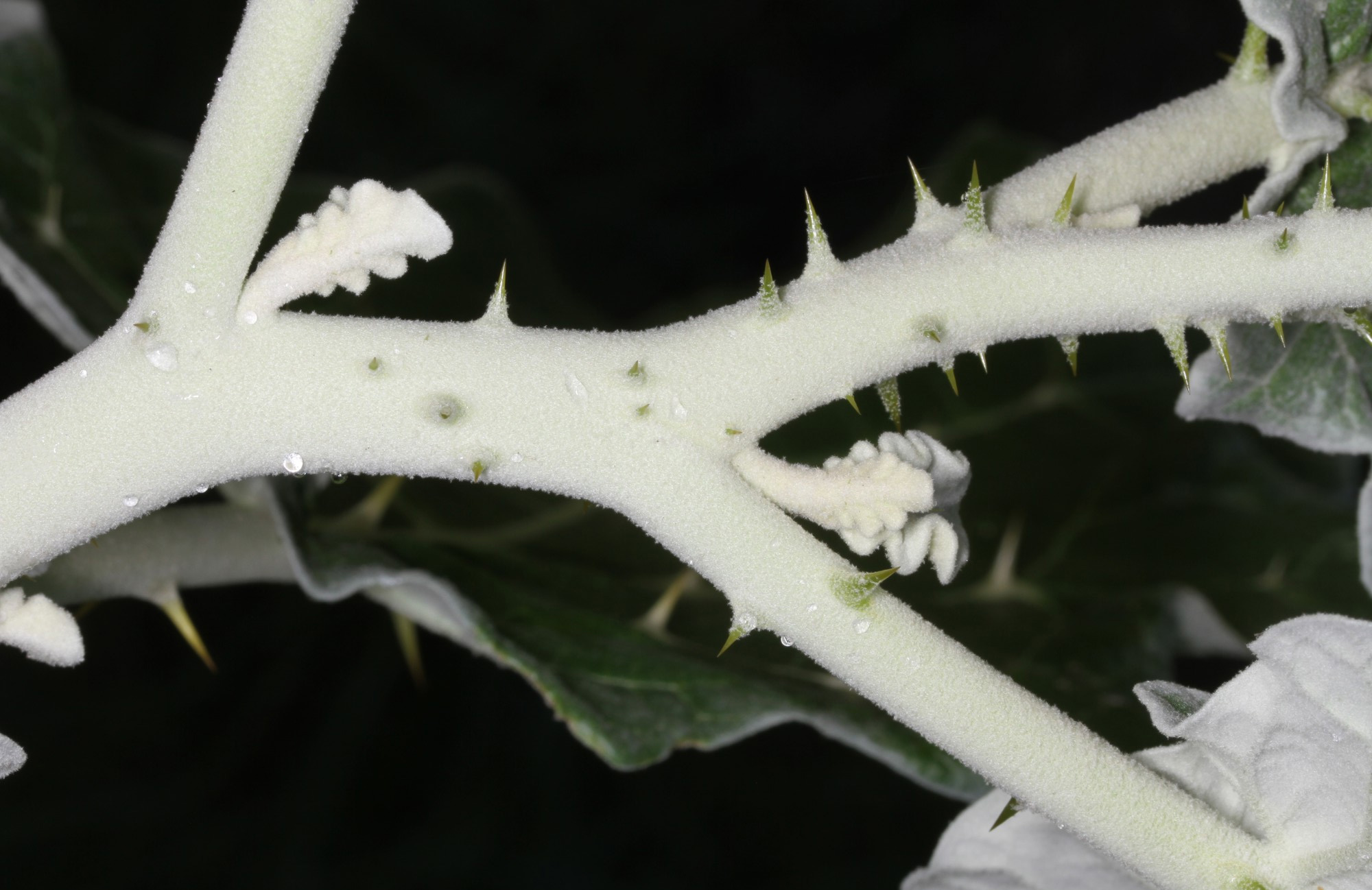
- Prickly stems and leaves up to 1.5cm long.
- Inconspicuous white (sometimes with mauve veins) flowers (November to March) followed by round hard yellow, tomato-like fruit that are poisonous to stock.
What are the rules?
Eradication
Eradication pests are present in the region but are limited in their size or extent of infestation. The eradication of these organisms is a feasible and cost-effective solution. The Bay of Plenty Regional Council is responsible for their control or eradication from the region. Action may be required from landowners or occupiers to support a control operation.
How do you get rid of it?
White edged nightshade is exceedingly difficult to control. Please do not attempt to control it. Let us know if you think you have seen this plant or have it on your property by emailing stop.pests@boprc.govt.nz or alternatively call 0800 884 880.
Images