


The ‘Queen of Steam’: Managing geothermal in the Bay of Plenty
Beneath the Bay of Plenty, geothermal is constantly at work.
Its geothermal systems are dynamic and interconnected, shaping landscapes, supporting livelihoods and holding deep cultural meaning for tangata whenua. When these systems are healthy, it’s because many moving parts are in careful alignment.
In many ways, Penny Doorman’s work reflects the nature of the resource she helps manage. It is complex, long‑term and reliant on science, policy, consents and compliance coming together, alongside strong relationships with tangata whenua, communities, industry and other agencies.
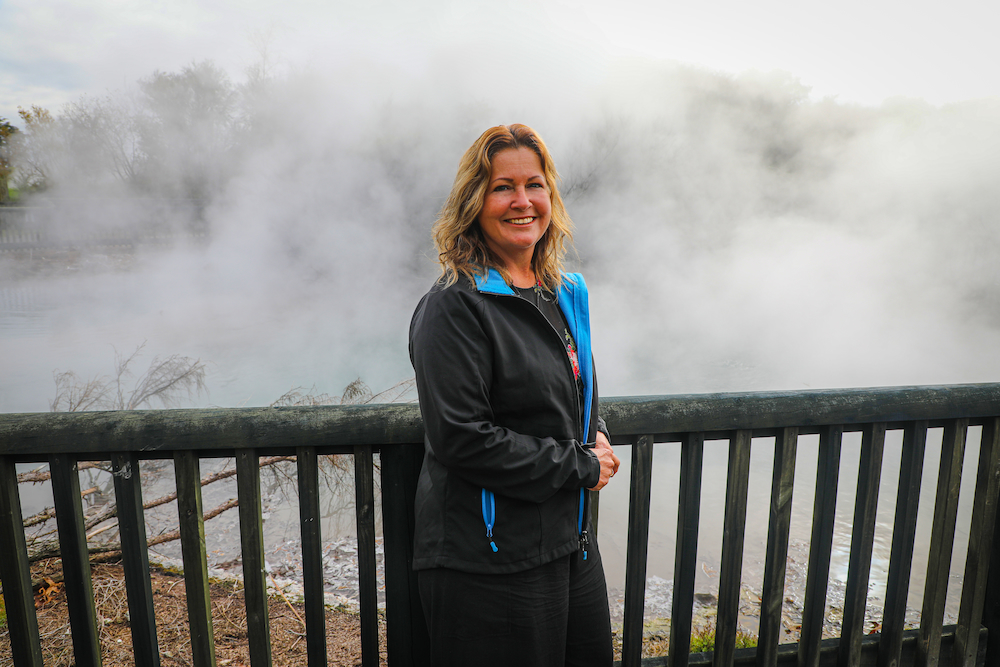
For the past 11 years, Penny has been a constant presence in Bay of Plenty Regional Council’s geothermal programme. As the programme lead, colleagues describe her as ‘the glue’ – the one who connects different parts of the organisation together where geothermal is involved.
“Geothermal management at the Regional Council is really about coordination,” Penny says.
“There are so many different pieces, and lots of people with deep expertise. My role isn’t to be the expert in everything. It’s to make sure all those parts are working together in the same direction and that we are making good decisions using the best information.”
That direction matters. Geothermal is a taonga resource in the Bay of Plenty: Culturally significant, environmentally complex and economically valuable. Managed well, it can support communities and future development. Managed poorly, it can be irreversibly damaged.
“Geothermal systems can take decades to respond to change. That means you have to be thinking long term, even when the pressure is on to move quickly.”
Before becoming the ‘the Queen of steam’, Penny’s influence within the organisation stretches much further back.
Penny began her career at the Regional Council in 1992, straight out of university, where she studied environmental science and completed her thesis on incentives for protecting biodiversity on private land.
Her early work at the Regional Council was in biodiversity, heritage planning and regional parks – fields that grounded her in systems thinking and long‑term environmental stewardship.
When she moved into geothermal management, it was a steep learning curve.
“It’s incredibly complex,” she says. “When I first started, it was like the technical experts were speaking a different language – but I love how geothermal is constantly teaching you something new. No two systems are the same, and you’re always having to bring together different types of knowledge.”
That learning doesn’t happen in isolation. Penny credits colleagues, sector partners and tangata whenua with shaping her understanding over the years.
“People have been incredibly generous with their time and knowledge,” she says. “You can’t do this work well unless you’re willing to listen and adapt.”
One collaborative project stands out as special in Penny’s career: Working on the Rotorua Geothermal System Management Plan Ngā Wai Ariki o Rotorua He Mahere Whakahaere Pūnaha, a ‘care plan’ and policy document to help guide and inform any future plan changes, and the overall management of the geothermal system in the Rotorua city area.
“It was challenging for everyone involved and it took us a long time,” she says. “But it was also one of the most rewarding pieces of work I’ve been involved in.”
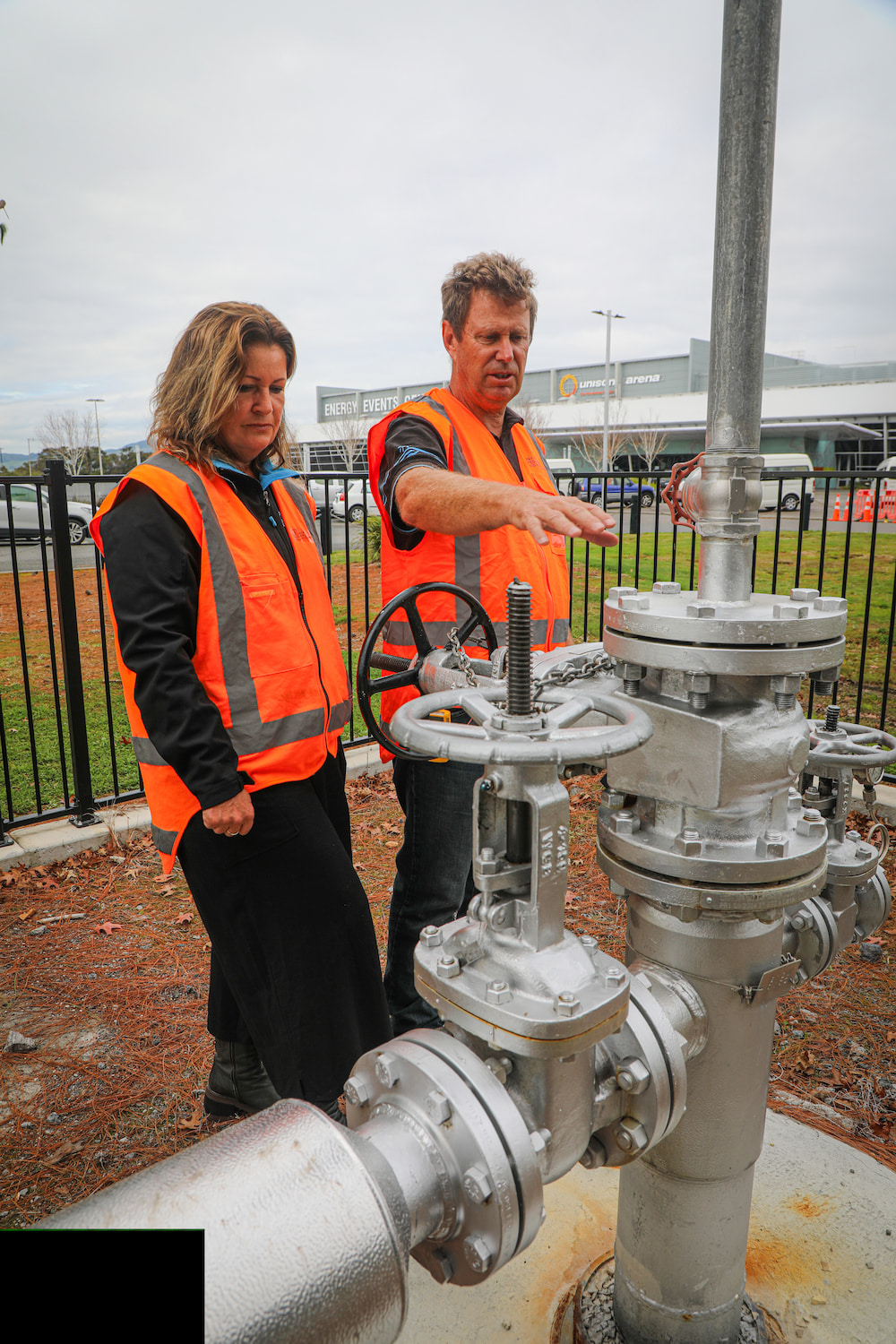
Developed in partnership with tangata whenua, the plan brought together not only decades of science, but also mātauranga Māori and community voices to create a shared approach for managing one of the region’s most well‑known geothermal systems.
“We worked hard to reflect Rotorua’s unique situation ,” Penny says. “It was about building understanding together and reflecting what the community told us mattered.”
That partnership‑led approach is something Penny is deeply proud of and something she’s seen grow significantly over her career.
“The way councils work with Māori has changed enormously since the early 1990s,” she says. “Moving from consultation to engagement, towards genuine partnership has been one of the most important shifts I’ve witnessed.”
At its heart, that speaks to the service of Penny’s work – with the community at its heart.
“I’ve always believed local government exists to represent and serve communities and protect the health of our environment,” she says.
“Our current legislation is grounded in sustainability and I’ve been proud of that. As someone said to me once, we have speeding laws so that people don’t die – and we have regional rules and plans so that our geysers don’t die.”
She’s pragmatic about the challenges – the competing pressures, the difficult conversations, the reality that not everyone will agree with every decision. But she’s unwavering in her belief that careful, evidence‑based management is essential.
“A lot of what we do is about enabling good outcomes,” she says. “Sharing information, supporting projects, helping people understand the systems they’re working with.”
While much of that work happens quietly, Penny reflects that the impacts of that work today will be seen and felt for generations to come.
“At its core, it’s about sustainable management and reflecting community values. We want to make sure the geothermal resource is still there – and still healthy – for future generations.
“But nothing in nature is fixed and the climate is always changing, which is why good information and adaptive management is so important.
“We rely on long term monitoring, modelling and ongoing assessment, so we can be prepared to change how we manage a system if our understanding changes.”
In this ever-changing environment, Penny remains committed to the same purpose she started with: Looking after the Bay of Plenty, so the steam keeps rising.