


Maketū Spit dune re-nourishment holding up well after Cyclone Vaianu
In August 2024, Bay of Plenty Regional Council undertook a ‘dune re-nourishment’ along the most vulnerable stretch of Maketū Spit. This was because expert advice warned that a major storm could breach the spit and create a new estuary entrance, putting Maketū township at risk of flooding, ecological impacts and navigation issues.
The ‘re-nourishment’ process involved pushing up sand from the adjacent beach along the most at-risk section of the spit (200m). This increased the height of and widened the frontal dune, to help mitigate the immediate risk of a breach, while also working with nature to accelerate the process of dune stabilisation (Figure 1).
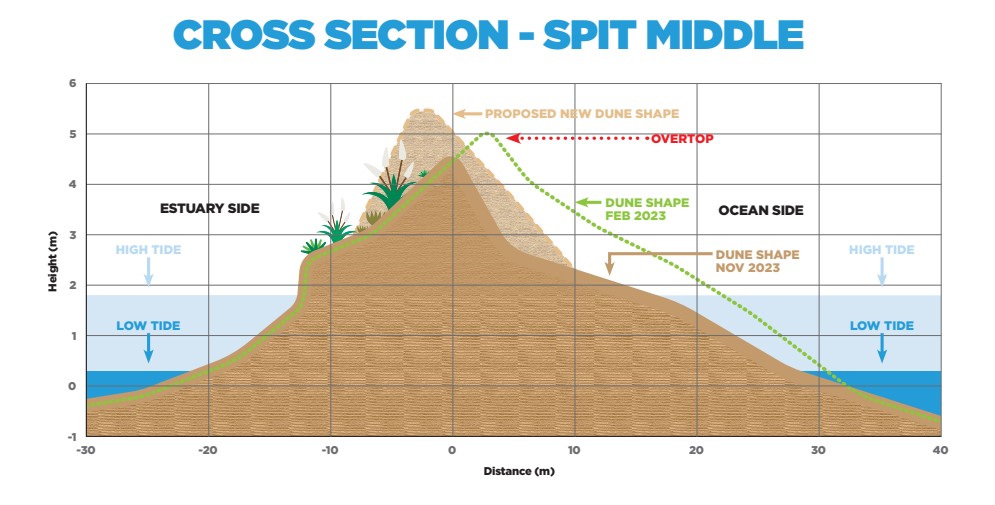
Figure 1. Cross section of dune ‘re-nourishment’ works.
Following community consultation, the work was completed in September 2024, pushing up approximately 1500 to 2000m³ of sand from the high tide zone, and increasing the dune height by at least 0.5m above the levels overtopped during Cyclone Gabrielle (February 2023).
Environmental precautions included relocating more than 80 native skinks and protecting local species. The dune was then stabilised with planting of around 2,000 spinifex and pīngao in 2024 and additional planting in 2025 by Maketū Ōngātoro Wetland Society.
Since 2024, the Maketū Spit has been tested by several weather events, including Cyclone Tam (April 2025) and Cyclone Vaianu (April 2026).
Following Cyclone Tam (2025), surveys had shown that the re-nourishment work functioned as expected, with minimal erosion on the oceanside.
After Cyclone Vaianu, an inspection on Maketū Spit was carried out on 13 April 2026, with evidence of some wave overtopping along the spit. Some overtopping was also seen west of the dune re-nourishment area and evidence of a debris line along the crest of the dune re-nourishment (Figure 2). Cross section surveys were also undertaken (Figure 3).
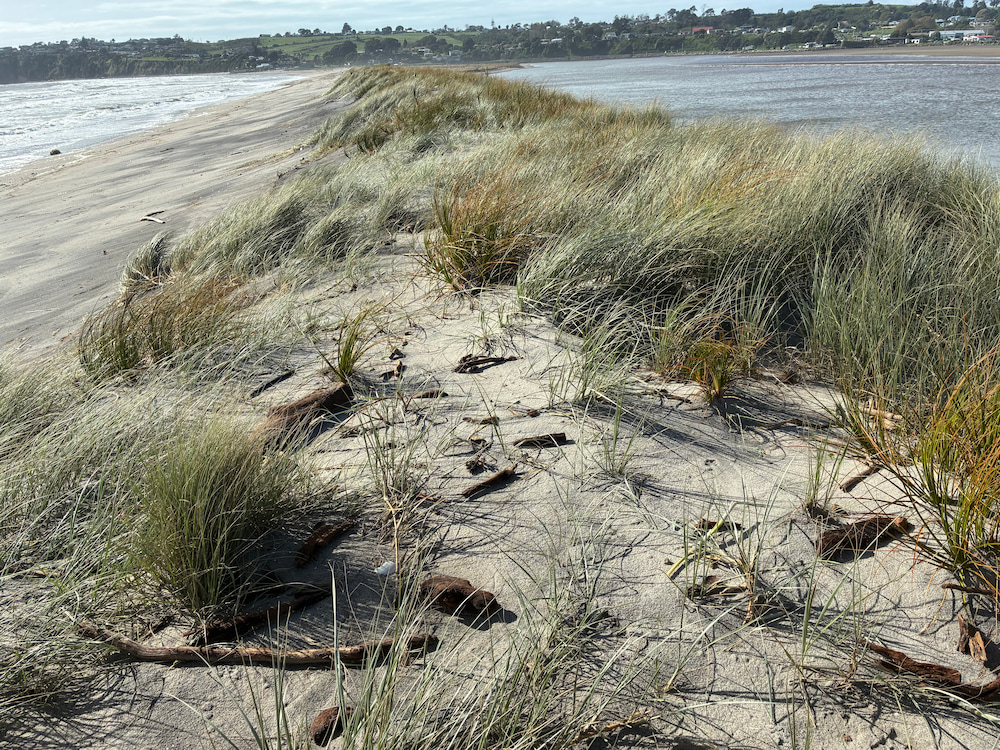
Figure 2. Photo from 13 April 2026 that shows wave run-up/debris line along the dune crest.
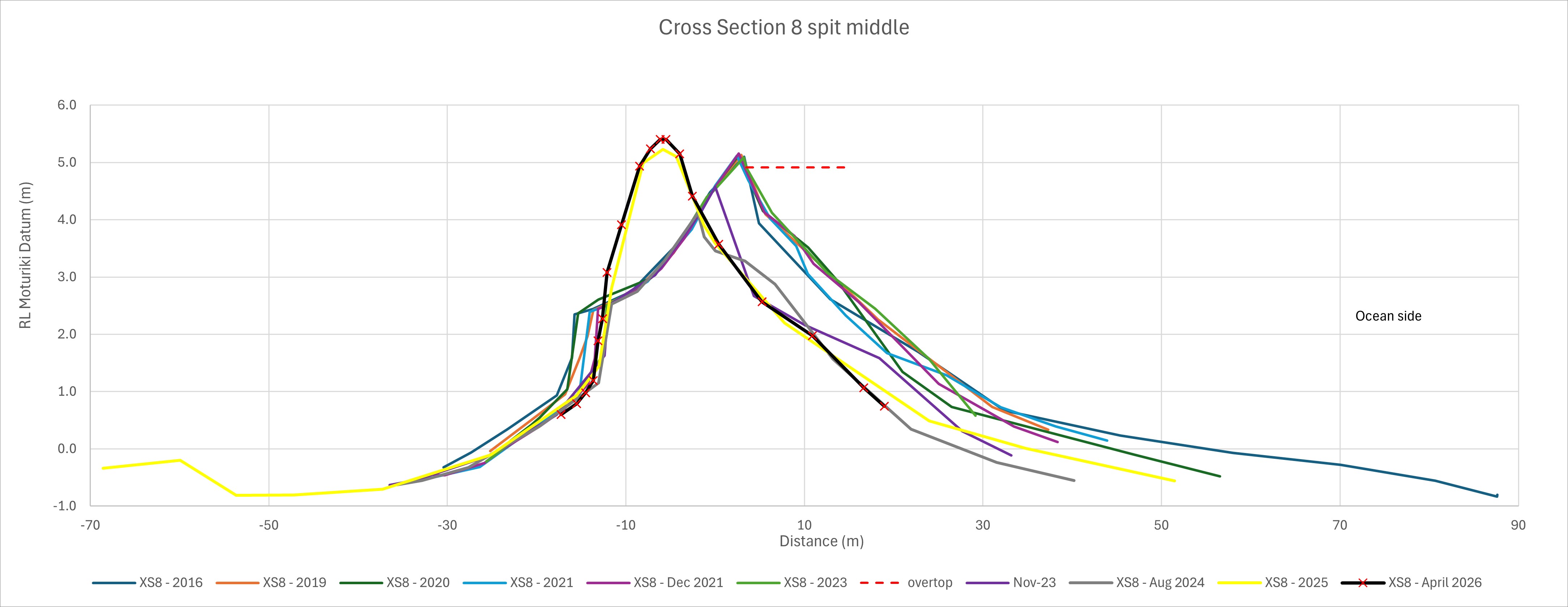
Figure 3. Annual cross sections of Maketū Spit/dune re-nourishment area, including recent 2026 data.
The comparison of beach profiles between 2025 and 2026 shows that the dune re-nourishment works continue to hold up well, with little change in profile across the middle of the spit and a relatively stable dune height.
Observations from recent events also suggest that without the dune re-nourishment work, a breach would have been highly likely (Figure 4).
Annual surveys are planned to track any changes and help manage future risks. Additional planting of spinifex is planned for 2026 to re-enforce the area and reduce further erosion along this narrow stretch of the Maketū Spit.
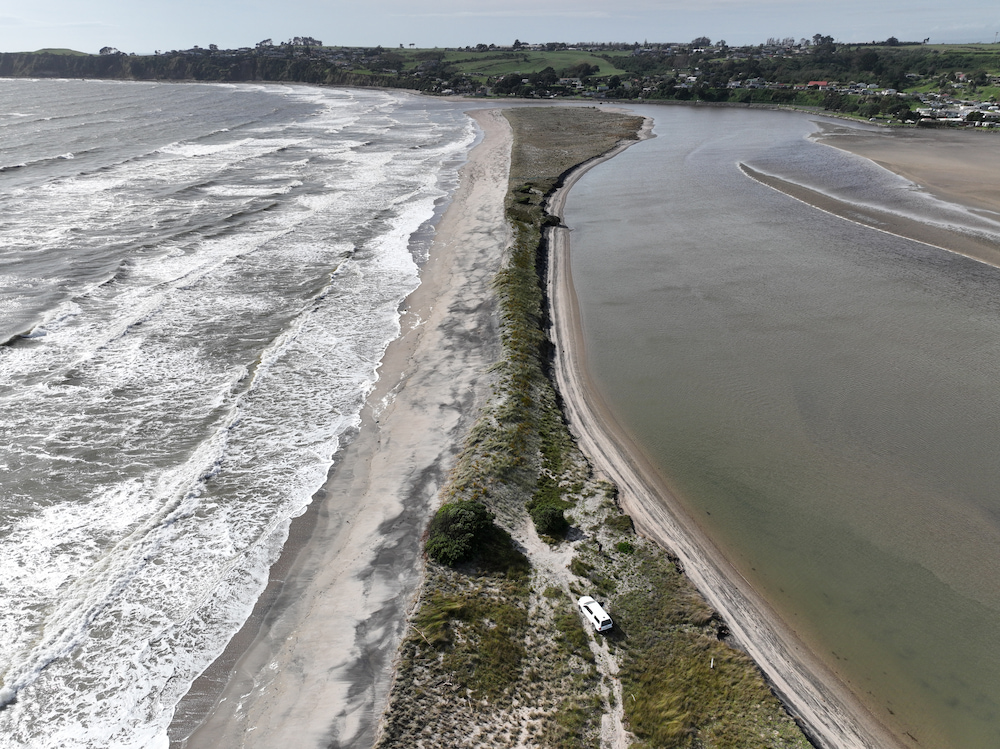
Figure 4. Drone photo of the dune re-nourishment area after Cyclone Vaianu (13 April 2026).